First Annual Meeting Successfully Held in GSI Helmholtzzentrum für Schwerionenforschung
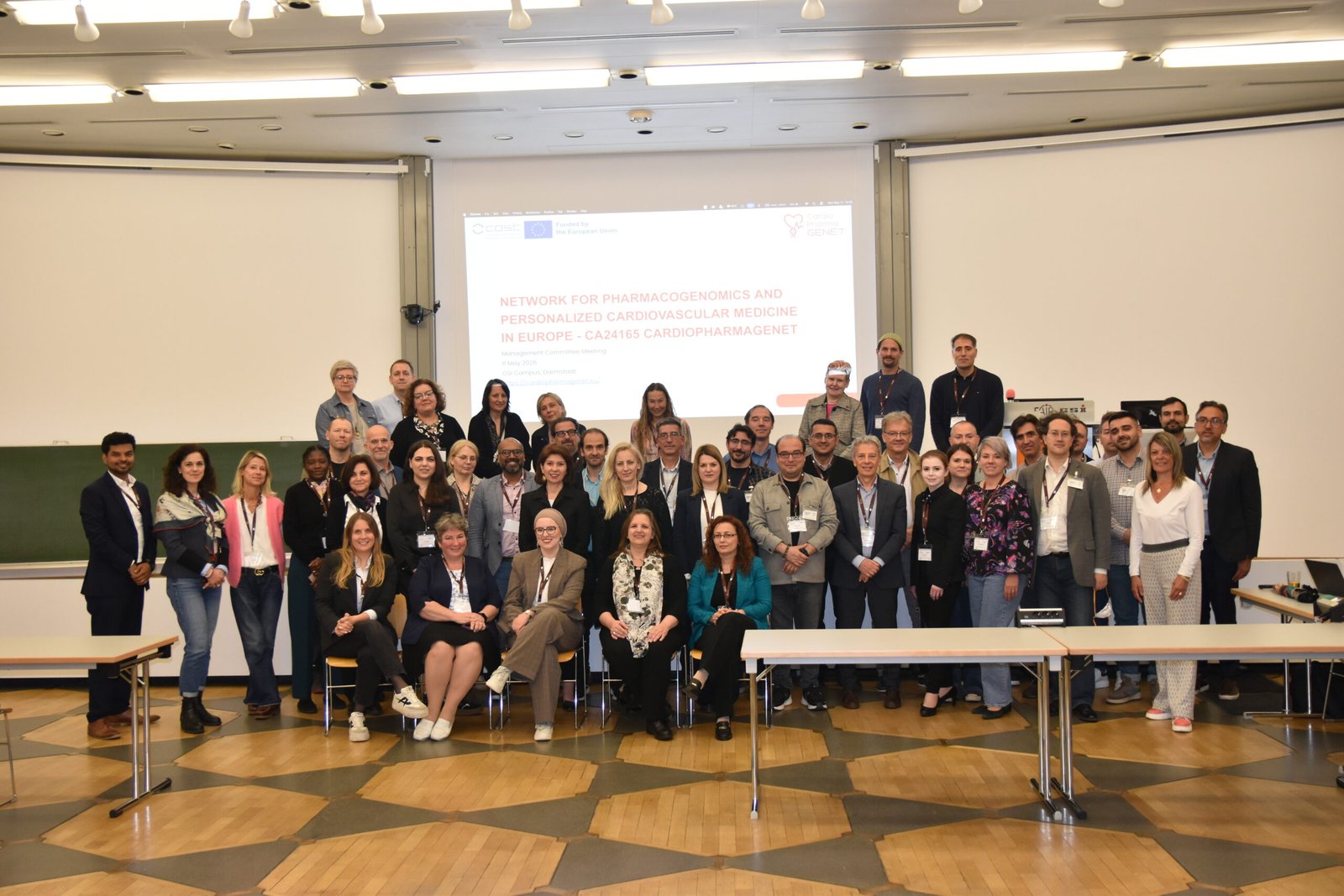
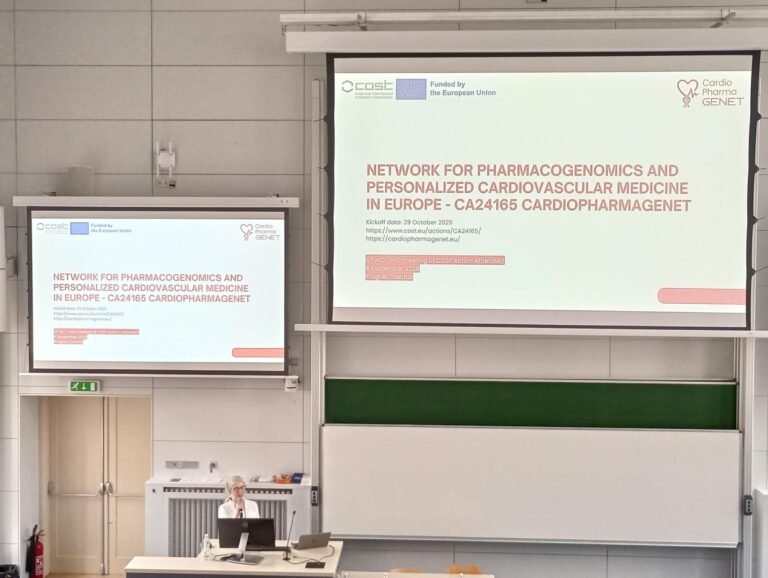
Members of the CardioPharmaGENET COST Action gathered from 11–13 May 2026 in Darmstadt for the Annual Meeting hosted at GSI Helmholtzzentrum für Schwerionenforschung. The three-day meeting brought together researchers, clinicians, industry representatives, patient stakeholders, policymakers, and Young Research Investigators from across Europe to discuss recent developments, strengthen collaborations, and define future directions in cardiovascular pharmacogenomics and precision medicine.
The Annual Meeting represented an important milestone for the Action, providing an opportunity to review the achievements accomplished during the first year of activities and to coordinate upcoming scientific, networking, dissemination, and training initiatives across all Working Groups.
Day 1: Management, Coordination, and Stakeholder Engagement
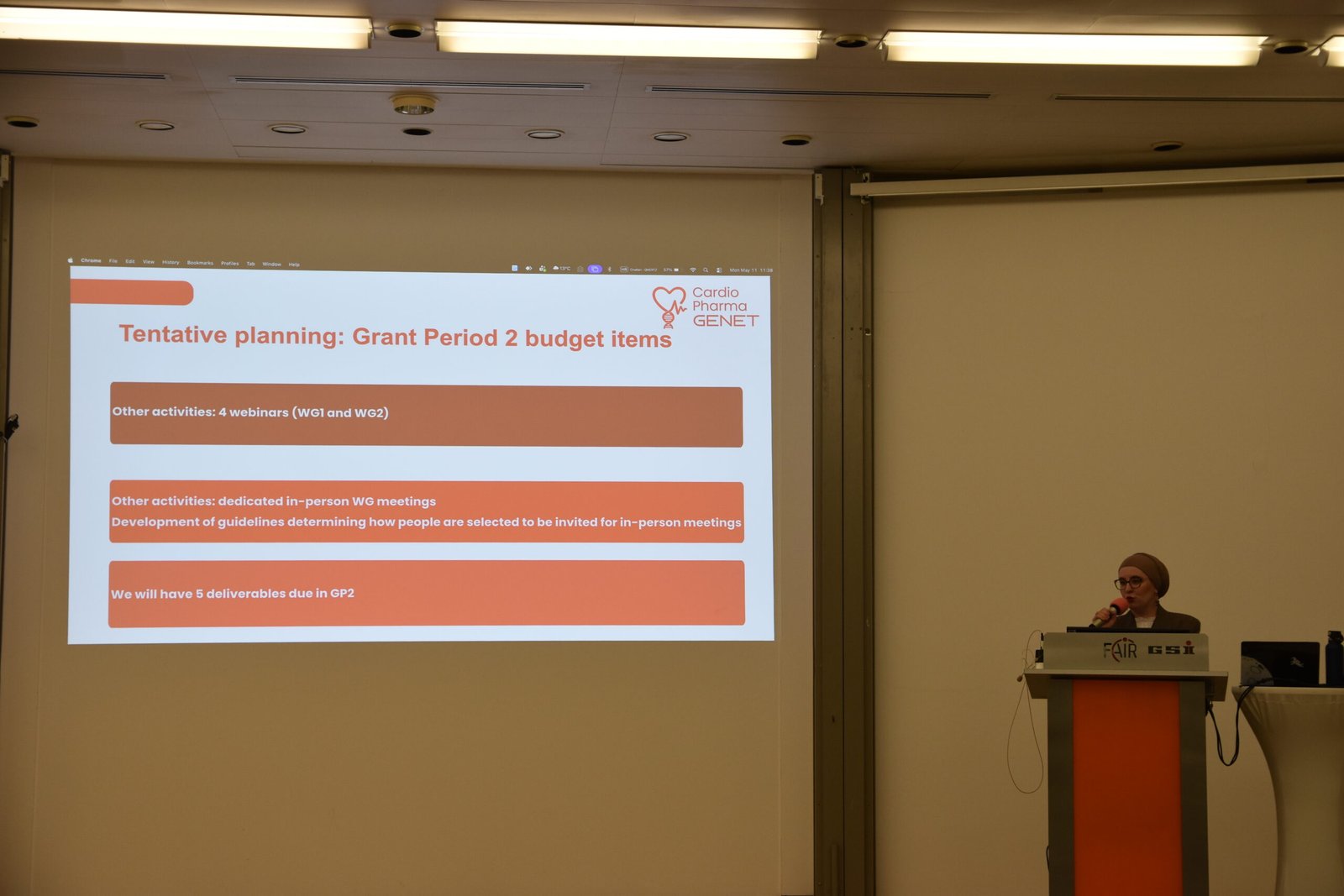
The first day of the meeting focused on strategic coordination and governance activities of the Action. Core Group and Management Committee meetings were held to discuss the progress achieved during the initial implementation phase, evaluate ongoing activities, and coordinate future plans related to networking, dissemination, scientific collaboration, and upcoming events.
Key discussions included:
- planning of Action activities within the Grant Periods,
- dissemination and communication strategies,
- networking and collaboration opportunities,
- preparation of future annual meetings and training schools,
- reporting activities of the Grant Awarding Committee,
- and strengthening participation of YRIs and inclusiveness target countries.
An important stakeholder session brought together representatives from academia, healthcare institutions, patient organizations, and industry. The session was moderated by the Chair and Vice Chair of the action, dr. Adna Ašić and dr. Yvan Devaux, respectively, and included presentations from:
- Penilla Gunther representing FOKUS Patient, Sweden,
- Dr. Philip Knuckles from Roche,
- and Dr. Lana Ganoci from the Clinical Hospital Center Zagreb.
These discussions highlighted the importance of integrating patient perspectives, healthcare systems, regulatory frameworks, and industrial expertise into the development and implementation of cardiovascular pharmacogenomics solutions.
Day 2: Scientific Sessions and Working Group Activities
The second day focused on scientific and professional sessions addressing the current challenges and future opportunities in cardiovascular genomics and pharmacogenomics.
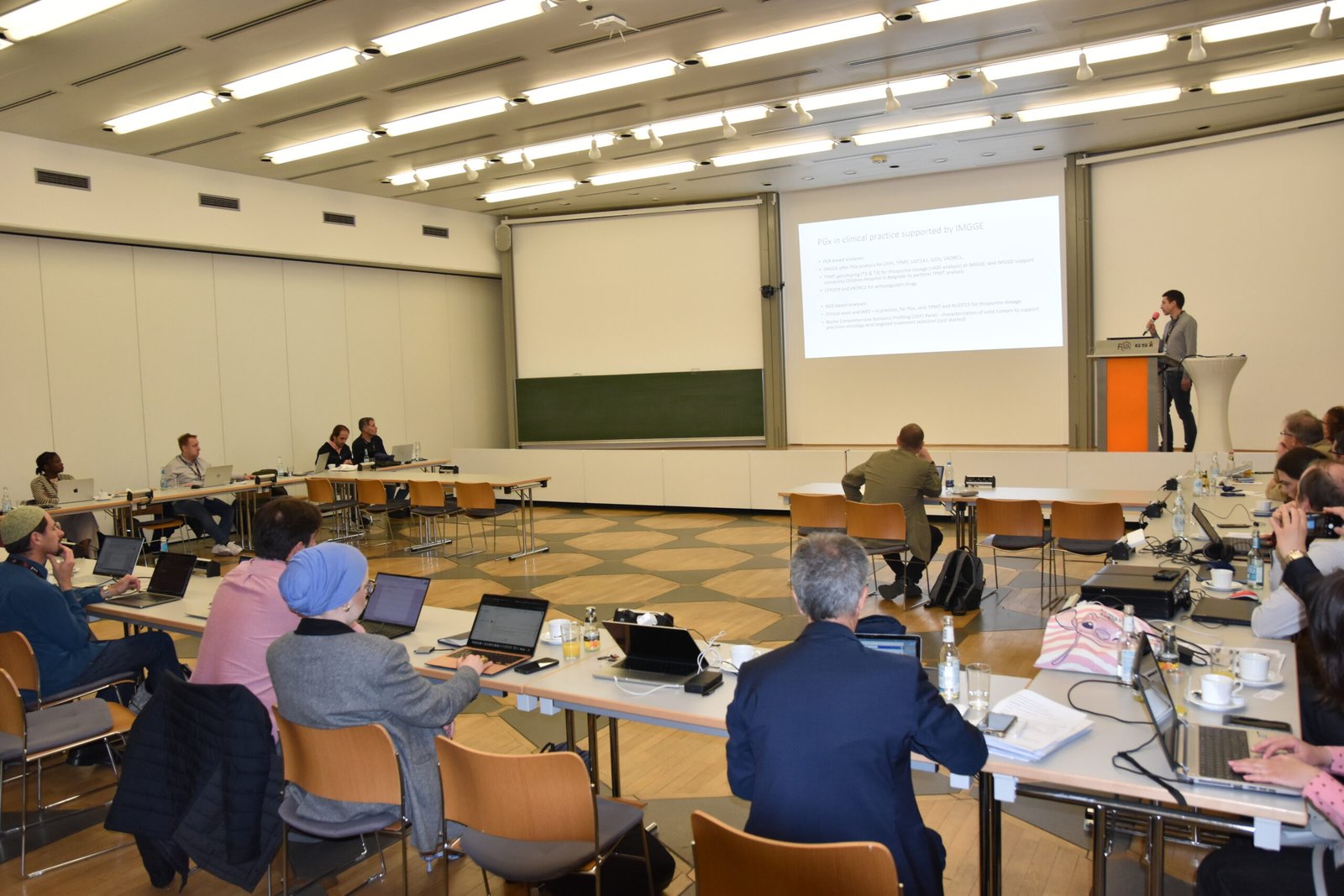
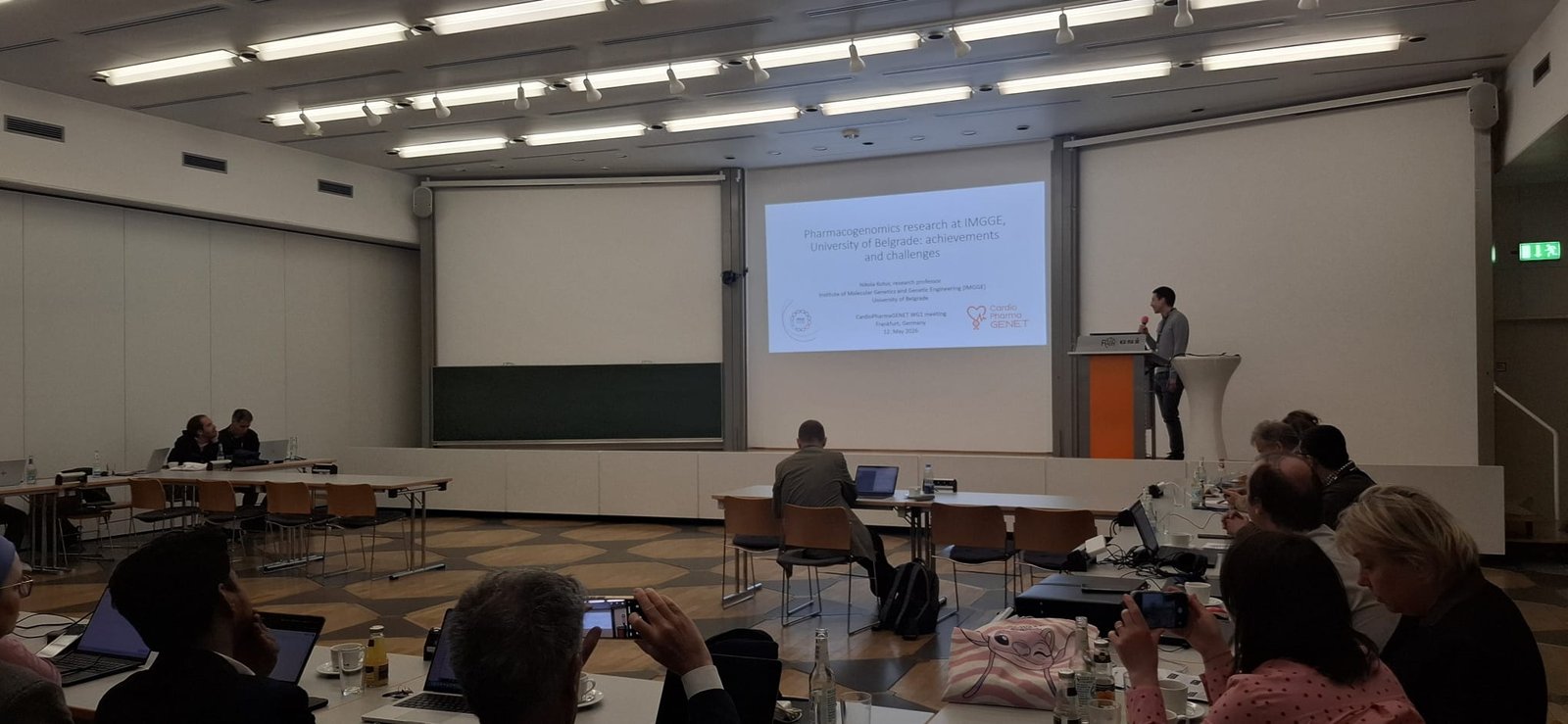
A central scientific session titled “Challenges in the implementation of genomics and PGx in research and clinical practice” was moderated by dr. Miron Sopić. The session gathered experts from several European institutions who discussed translational and clinical challenges associated with integrating genomics into cardiovascular healthcare systems.
Presentations were delivered by:
- Dr. Livija Šimičević from the Clinical Hospital Center Zagreb,
- Dr. Nikola Kotur from the Institute for Molecular Genetics and Genetic Engineering, Serbia,
- and Dr. Nikola Stefanović from the Faculty of Medicine, University of Niš.
Discussions addressed:
- implementation barriers for pharmacogenomics in clinical practice,
- harmonization of genomic data interpretation,
- integration of AI and machine learning approaches,
- clinical utility of PGx-guided therapies,
- ethical and regulatory considerations,
- and strategies for improving interoperability and data sharing across institutions and countries.
Working Group meetings were also organized throughout the day, enabling participants to coordinate scientific activities, define deliverables, and strengthen collaborative initiatives within each thematic area of the Action.
A dedicated round table on “Science communication activities of CardioPharmaGENET” was moderated by Amra Džuho and focused on the role of effective communication in increasing public understanding of pharmacogenomics and precision medicine.
Participants discussed:
- dissemination strategies for scientific and non-scientific audiences,
- digital communication and social media engagement,
- public trust in genomics and personalized medicine,
- improving visibility of COST Actions,
- and supporting young researchers in science communication activities.
Another important professional session titled “Economic impact and stakeholders in cardiovascular PGx” was moderated by dr. Damir Marjanović and dr. Konstantin Tashkov.
The session addressed:
- socioeconomic implications of implementing pharmacogenomics,
- healthcare cost optimization through personalized therapies,
- stakeholder engagement strategies,
- policy and reimbursement challenges,
- and future opportunities for collaboration between academia, healthcare systems, policymakers, and industry.
A keynote contribution was delivered by dr. Dragan Primorac from Specialty Hospital St. Catherine.
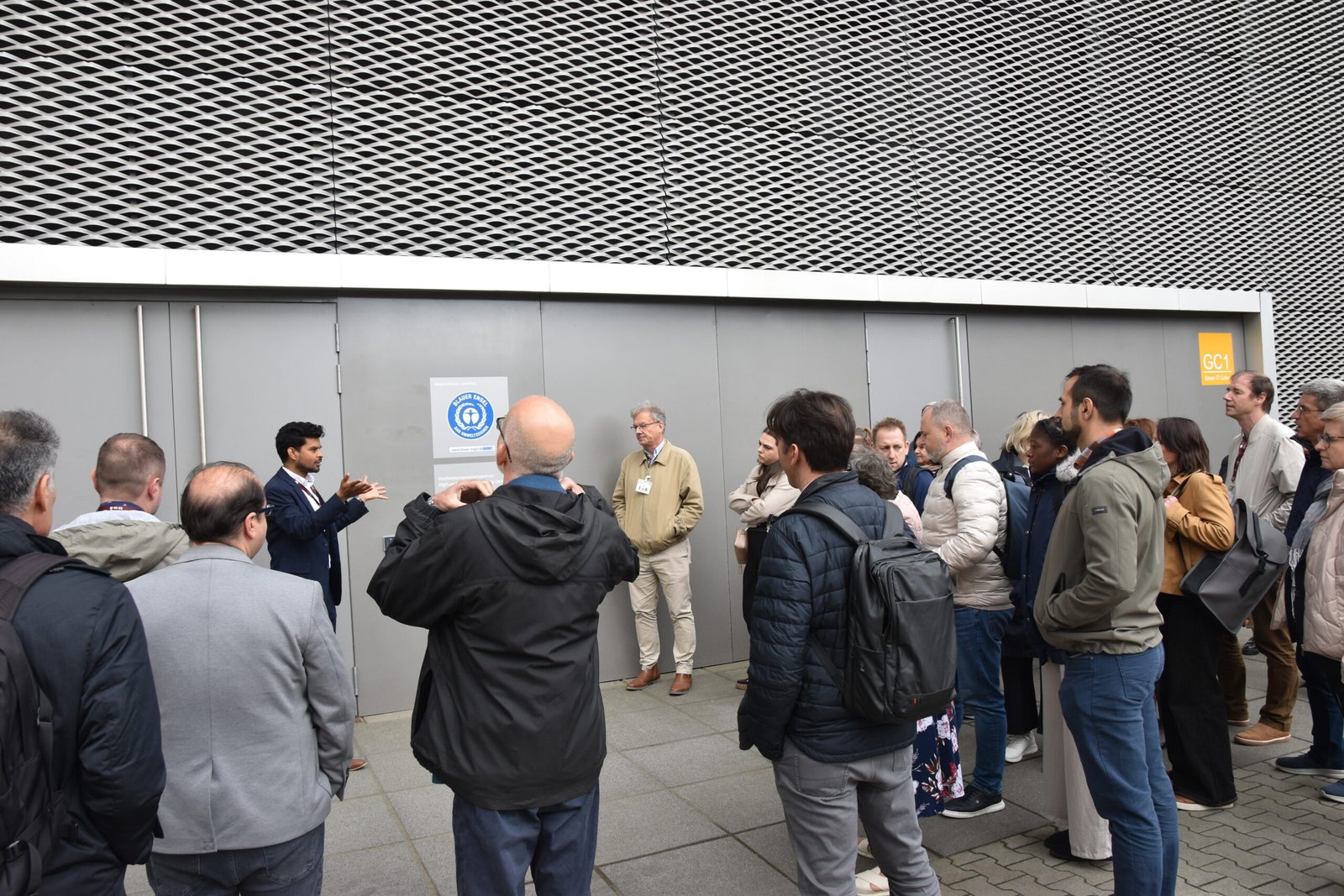
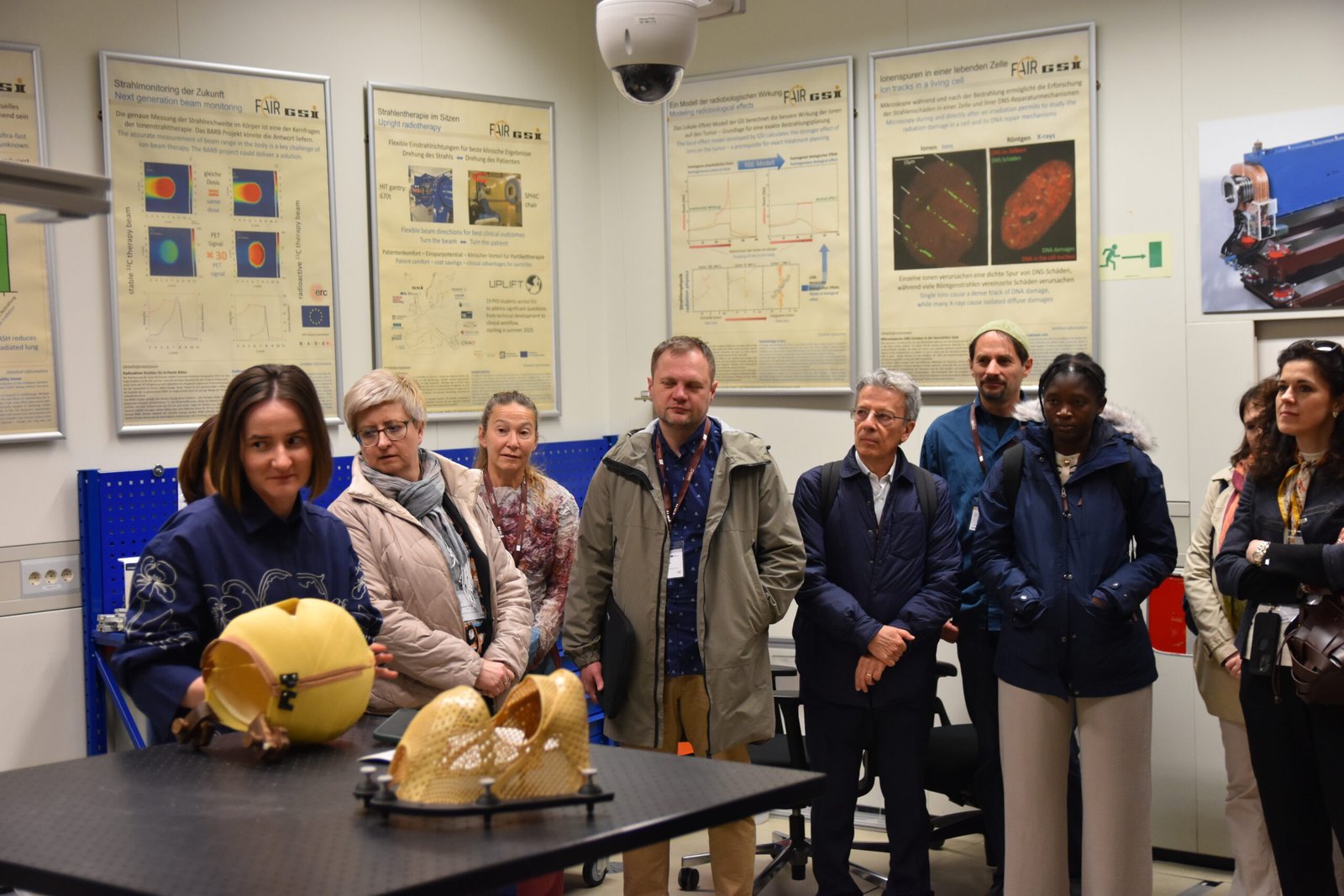
Participants also visited the advanced scientific infrastructure at FAIR and GSI Helmholtzzentrum für Schwerionenforschung, where they explored cutting-edge facilities and discussed future opportunities for interdisciplinary collaboration and research exchange.
The tours provided valuable insight into large-scale European research infrastructures and their potential role in future biomedical, translational, and data-driven research initiatives.
Day 3: Working Group Coordination and Future Planning
The final day of the Annual Meeting was dedicated to Working Group activities, strategic planning, and wrap-up discussions. Round tables focused on the ongoing and planned activities of WG2 and WG3, moderated by dr. Amela Jusić and dr. Rui Vitorino.
Participants reviewed:
- ongoing collaborative initiatives,
- future deliverables and milestones,
- opportunities for joint publications and grant applications,
- training and mobility activities,
- and future networking opportunities within the Action.
The meeting concluded with a wrap-up session summarizing the key outcomes, priorities, and strategic objectives for the upcoming period of the Action.
The Annual Meeting reaffirmed the strong commitment of the CardioPharmaGENET network to advancing precision cardiovascular medicine through interdisciplinary collaboration, knowledge exchange, and stakeholder engagement.
By connecting experts from diverse scientific, clinical, technological, and policy backgrounds, the Action continues to contribute to the development of harmonized and evidence-based approaches for implementing pharmacogenomics in cardiovascular healthcare across Europe.
The meeting also highlighted the essential role of young researchers, inclusiveness, training activities, science communication, and international cooperation in shaping the future of personalized medicine.
We sincerely thank all speakers, participants, Working Group leaders, Management Committee members, stakeholders, clinicians, researchers, industry representatives, and Early Career Investigators whose contributions, expertise, and collaborative spirit made this Annual Meeting a great success.