Exploring RNA Editing in Heart Failure: Svetlana’s STSM at the Luxembourg Institute of Health
Through Short-Term Scientific Missions (STSMs), CardioPharmaGENET (COST Action CA24165) continues to foster international research collaboration, knowledge exchange, and the development of innovative approaches to cardiovascular research.
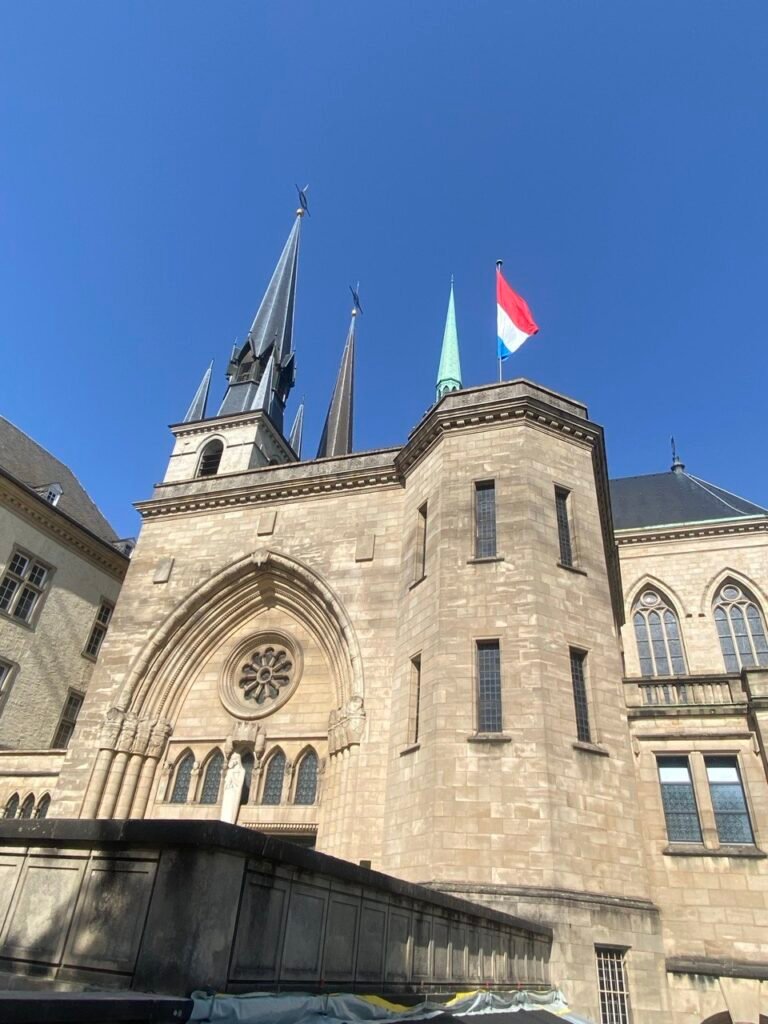
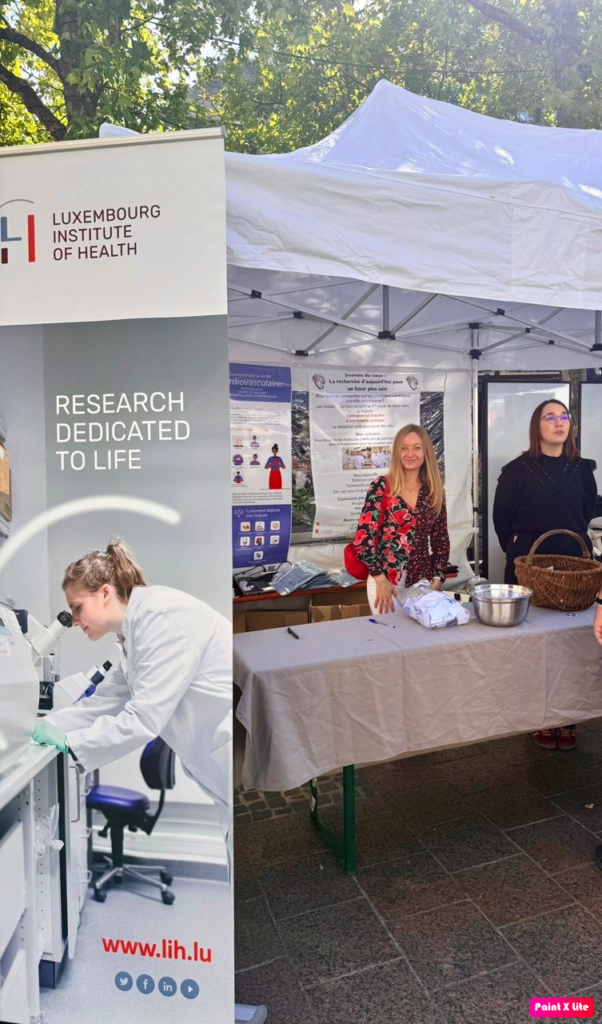
From 24 June to 24 July 2026, Svetlana, a researcher from IRCCS Policlinico San Donato, Milan, Italy, completed a Short-Term Scientific Mission at the Luxembourg Institute of Health, Luxembourg.
The mission was conducted in collaboration with Yvan Devaux at the host institution and Fabio Martelli at the home institution, focusing on “Investigation of RNA Editing in Ischemic Heart Failure.”
Investigating RNA Editing in Cardiovascular Disease
RNA editing is a post-transcriptional process that modifies RNA sequences and can influence gene expression and cellular function. Although RNA editing contributes to transcriptomic diversity, its potential role in heart failure remains insufficiently characterised.
The primary objective of this STSM was to investigate and compare RNA-editing patterns in myocardial biopsy samples from patients with heart failure, identifying potentially relevant molecular alterations associated with disease pathogenesis.
By combining transcriptome-wide computational analysis with experimental validation, the mission aimed to advance understanding of RNA-editing mechanisms in cardiovascular disease.
Research Activities and Scientific Outcomes
During the STSM, Svetlana performed transcriptome-wide RNA-editing analysis using a SPRINT-based computational pipeline, building on expertise acquired during a previous STSM within the AtheroNet COST Action at the University of Thessaloniki.
A Python-based analytical pipeline was developed to identify RNA-editing sites overlapping experimentally supported microRNA-binding regions documented in DIANA-TarBase. This approach enabled the prioritisation of differentially edited sites potentially relevant to heart failure pathogenesis.
Selected genes containing editing events were subsequently assessed using RT-qPCR in heart-failure and control samples to investigate possible associations between RNA editing and gene expression.
The mission also included the initial development of digital PCR assays for selected RNA-editing events. Although primer optimisation was challenging due to low-complexity target regions, this work established a foundation for further methodological development.
An additional achievement was the validation of the long non-coding RNA BACE1-AS1, contributing to a scientific manuscript currently under revision. This validation was facilitated by the extensive RNA sample collection available at the Luxembourg Institute of Health.
Furthermore, Svetlana contributed to a European Heart Journal article dedicated to the CardioPharmaGENET COST Action, extending the scientific communication impact of her research visit.
Strengthening Scientific Collaboration Within CardioPharmaGENET
The STSM strengthened scientific cooperation between IRCCS Policlinico San Donato and the Luxembourg Institute of Health through the exchange of datasets, computational expertise, and laboratory methodologies.
The research generated analytical and experimental resources for investigating RNA-editing mechanisms in cardiovascular disease, supporting the broader objectives of CardioPharmaGENET in advancing molecular research relevant to personalised cardiovascular care.
Reflecting on her experience, Svetlana shared:
“This STSM provided valuable hands-on experience in RNA-editing analysis and strengthened my ability to combine computational approaches with experimental validation in cardiovascular research.”
Looking Ahead
The next phase of the research will focus on optimising digital PCR assays for the validation of selected RNA-editing events and transferring this methodology to the home laboratory at IRCCS Policlinico San Donato.
These activities will support further investigation of RNA-editing mechanisms in heart failure and contribute to continued collaboration between the participating institutions.
Through initiatives such as this STSM, CardioPharmaGENET continues to promote scientific mobility, methodological innovation, and international collaboration in cardiovascular research.