Advancing Cardiovascular Research Through International Collaboration: Veronika Boichenko’s STSM at Imperial College London
CardioPharmaGENET (COST Action CA24165) continues to strengthen international scientific collaboration through Short-Term Scientific Missions (STSMs), enabling researchers to exchange expertise, access advanced research technologies, and contribute to cardiovascular pharmacogenomics.
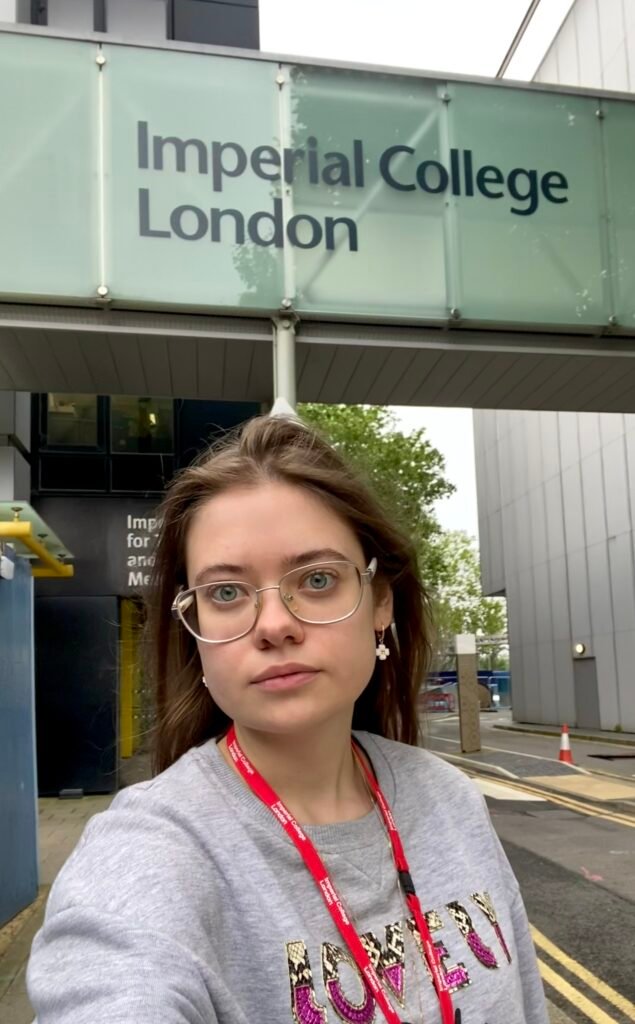
From 1 July to 15 August 2026, Veronika Boichenko, a researcher from the University of Verona, Italy, completed a Short-Term Scientific Mission at the National Heart and Lung Institute, Imperial College London, United Kingdom.
The mission was conducted under the supervision of Prof. Julia Gorelik, Professor of Cellular Biophysics at Imperial College London, in collaboration with Prof. Giovanni Battista Luciani from the University of Verona.
Exploring Non-Coding RNAs in Cardiovascular Disease
The research focused on non-coding RNA regulatory networks in cardiovascular fibrosis and hypertrophic remodelling, with particular attention to circular RNAs (circRNAs) and microRNAs (miRNAs).
The primary objective was to investigate the potential biomarker and functional roles of candidate circRNAs as regulators of fibrosis, while exploring the contribution of selected miRNAs to cardiomyocyte hypertrophic remodelling.
During the mission, Veronika combined molecular techniques, bioinformatics, and advanced functional assays to investigate these mechanisms.
Research Activities and Scientific Outcomes
The STSM involved several complementary research activities.
First, an RT-qPCR protocol for detecting circRNAs in blood plasma was optimised, including the evaluation of RNA isolation methods and normalisation strategies. This was followed by circRNA profiling in plasma samples from an extended cohort of patients with hypertrophic cardiomyopathy, revealing preliminary correlations with established cardiac stress markers.
The research also included bioinformatic characterisation of single nucleotide polymorphisms (SNPs) overlapping miRNA binding sites in candidate circRNAs, providing insights into genetic variation potentially affecting miRNA target recognition.
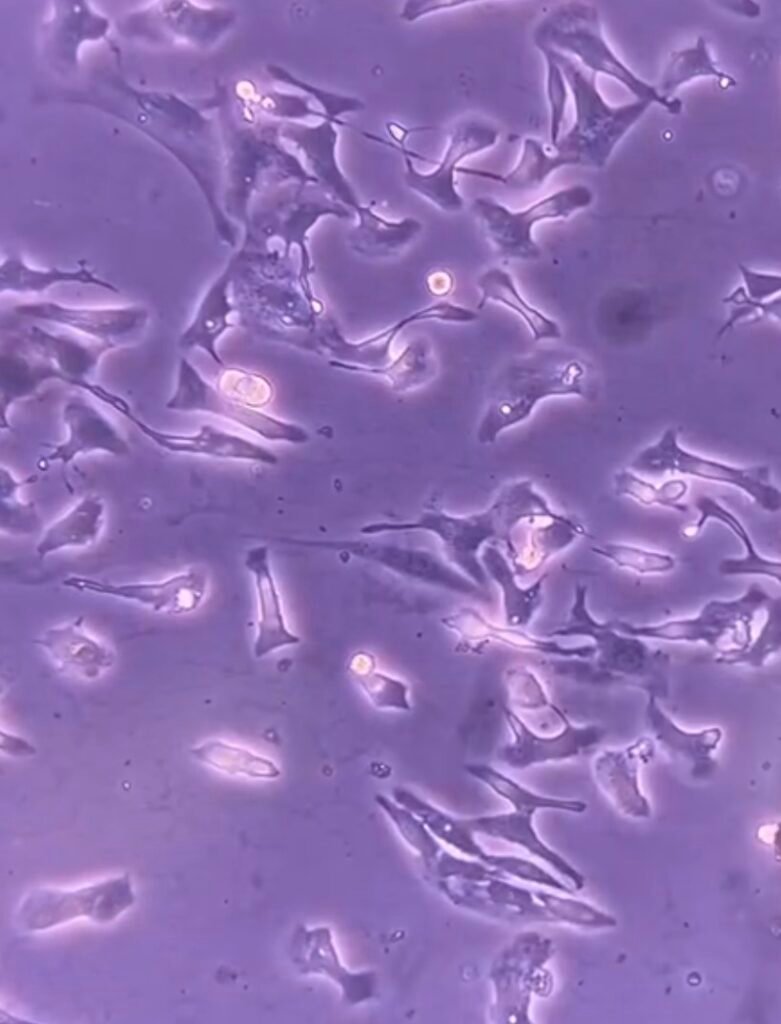
An important additional achievement was the development of a functional experimental pipeline using neonatal rat ventricular myocytes. By combining miRNA mimic transfection with high-throughput contractility and calcium imaging, the researchers generated functional data to investigate the effects of candidate miRNAs on cardiomyocyte contractility.
The results from this experimental work are currently being prepared for publication.
Overall, the mission generated research findings expected to contribute to at least two scientific manuscripts currently in preparation.
Strengthening Scientific Collaboration Within CardioPharmaGENET
Beyond its scientific outcomes, the STSM strengthened collaboration between the University of Verona and Imperial College London, two institutions participating in the CardioPharmaGENET network.
The exchange facilitated knowledge and technology transfer in circRNA detection methodologies, bioinformatic analysis, and functional cardiomyocyte assays.
These approaches offer opportunities for further collaborative research and contribute to the Action’s broader objective of advancing cardiovascular pharmacogenomics and precision medicine.
Reflecting on her experience, Veronika shared:
“Outside, the city was in motion, and under my lens, the cells were beating. And somewhere between these two scenes, I felt that I was taking a small but meaningful step towards a better understanding of the heart’s future.”
Looking Ahead
Following the mission, the research will continue through additional miRNA target validation experiments at the University of Verona, further collaboration with the Imperial College London team, and preparation of at least two joint scientific manuscripts.
This STSM demonstrates the value of international scientific mobility in connecting complementary expertise, developing research methodologies, and establishing collaborations that extend beyond the duration of an individual research visit.
Through initiatives such as these, CardioPharmaGENET continues to support knowledge exchange, scientific excellence, and collaborative innovation in cardiovascular research.