CardioPharmaGENET at the COST Conference: The Role of Networks in European Research
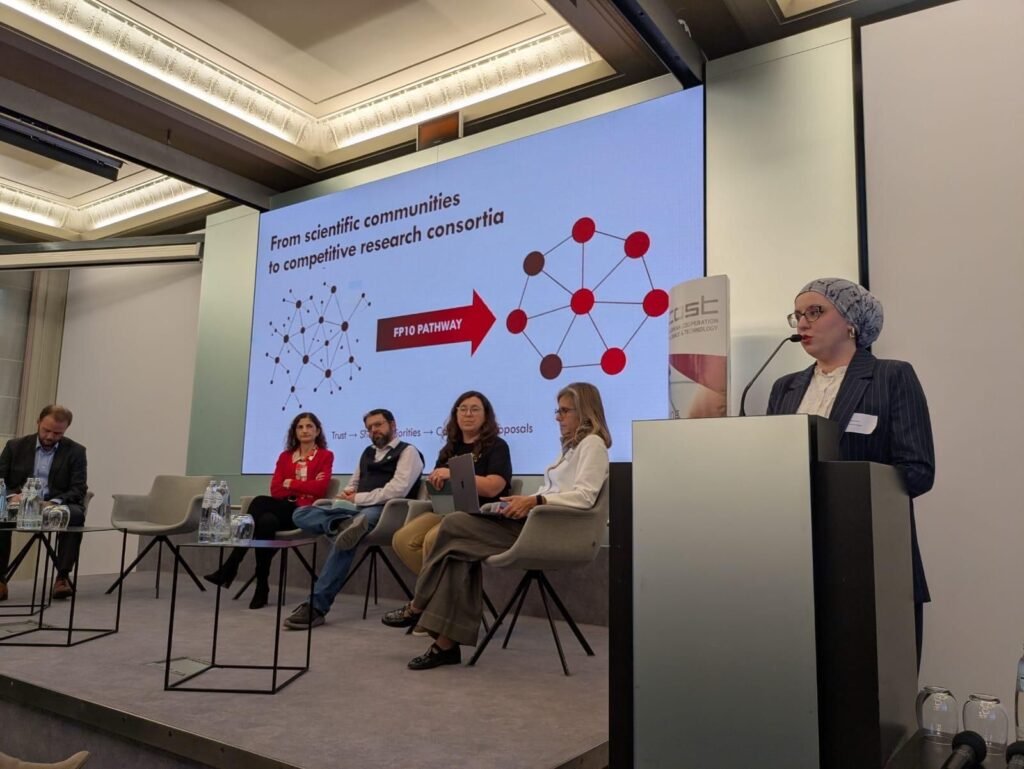
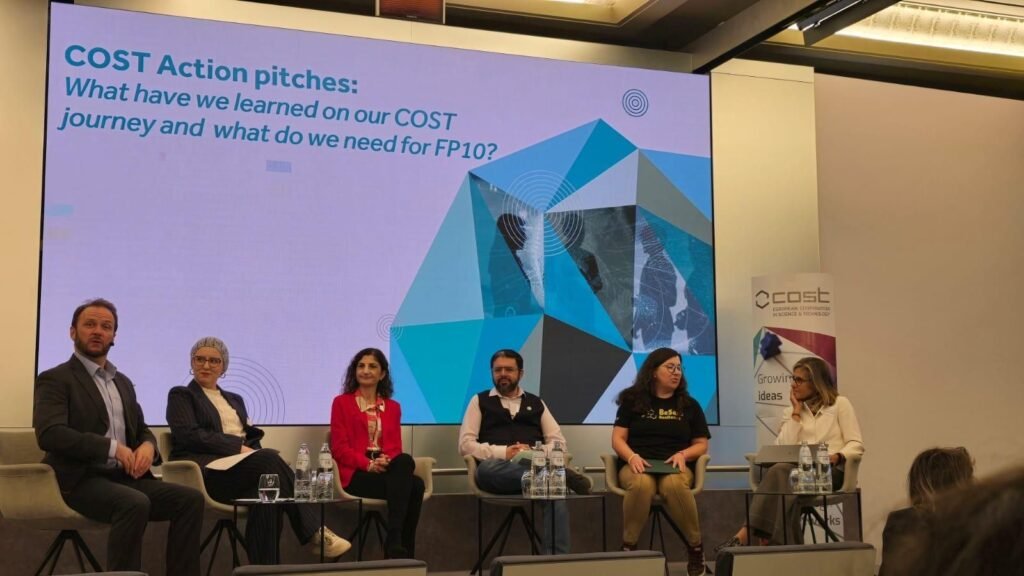
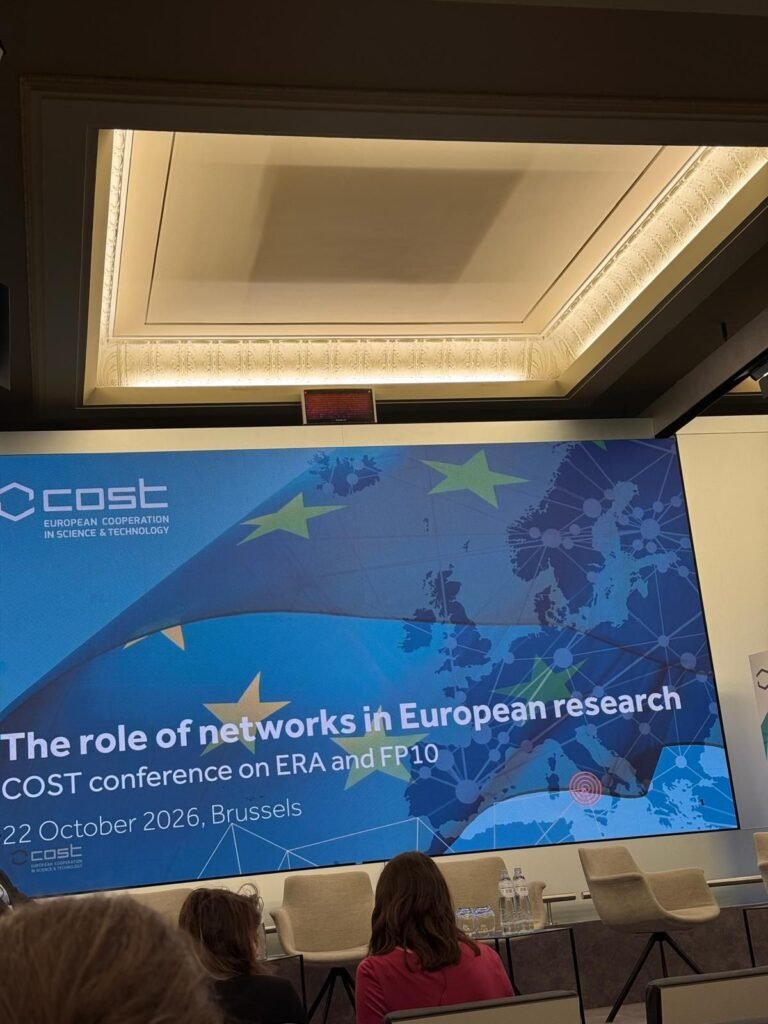
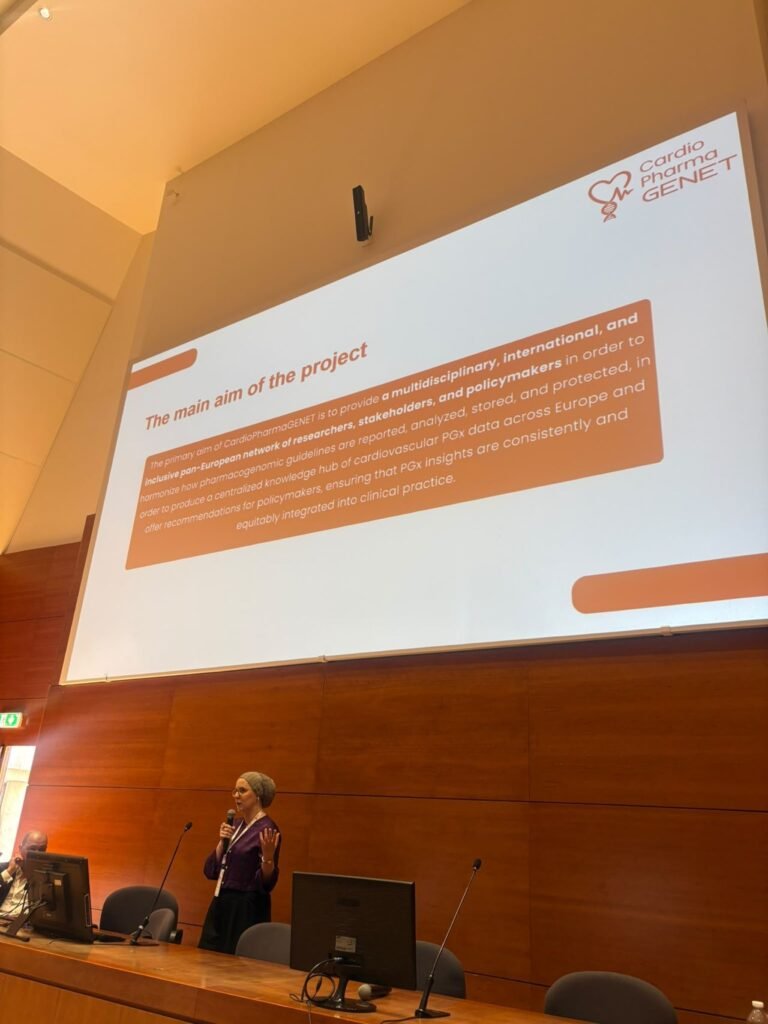
CardioPharmaGENET Action Chair, Dr. Adna Ašić, contributed to discussions on the future of European research funding, highlighting the strategic role of COST networks in strengthening research collaboration, innovation, and inclusiveness. The COST Association Conference “The Role of Networks in European Research” held in Brussels, brought together stakeholders to discuss how research networks can contribute to the future European research and innovation landscape, particularly in the context of the upcoming EU Framework Programme for Research and Innovation (FP10). Representing CardioPharmaGENET, Dr. Ašić shared four key perspectives on how COST networks can contribute to a more collaborative, competitive, and inclusive European Research Area. From networking to stronger research consortia: COST Actions create an environment where researchers establish trust, develop partnerships, and exchange ideas long before specific funding opportunities emerge. These established collaborations provide a strong foundation for developing competitive research proposals and sustainable international consortia. Bridging the gap between networking and research funding: She highlighted the potential value of dedicated seed funding for COST networks. Such support could enable researchers to pilot innovative concepts, generate preliminary evidence, and validate promising ideas before submitting larger-scale proposals to programmes such as Horizon Europe and its successor, FP10. Connecting scientific excellence with real-world needs: COST networks bring together researchers, clinicians, industry representatives, and experts from different disciplines. This diversity creates opportunities to identify emerging scientific challenges and develop interdisciplinary research initiatives aligned with societal and industrial needs. For CardioPharmaGENET, this approach is particularly relevant to advancing cardiovascular pharmacogenomics and precision medicine through collaboration across scientific, clinical, and technological disciplines. Moving from participation to research leadership: The last message concerned the importance of meaningful inclusiveness in European research. Drawing on her experience as a researcher from Bosnia and Herzegovina, an EU candidate country, Dr. Ašić emphasized that inclusiveness should extend beyond participation in international networks. Future European research policies should increasingly recognize and support the ability of researchers from less research-intensive countries to coordinate international projects, lead capacity-building initiatives, and develop independent research agendas.
CardioPharmaGENET’s Contribution to the European Research Area
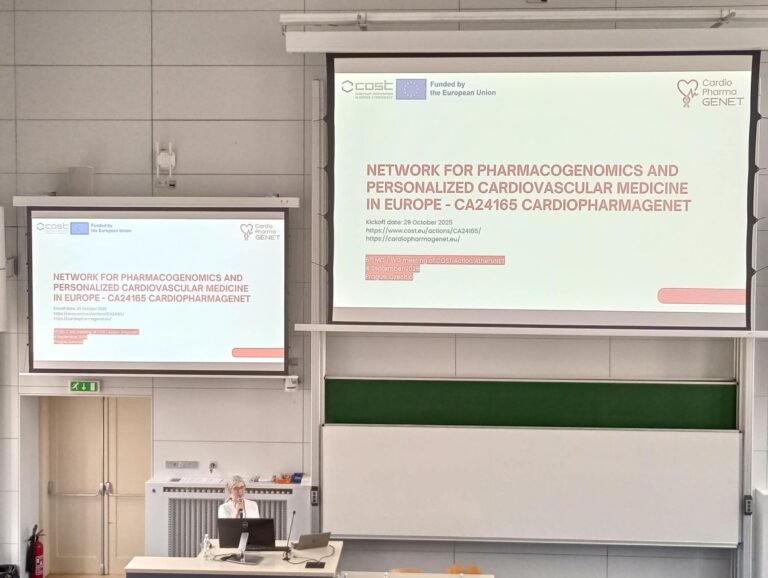
These perspectives closely reflect the mission of CardioPharmaGENET: to build a collaborative European network that strengthens scientific capacity, promotes knowledge exchange, supports researchers across countries and career stages, and facilitates the development of future research initiatives in cardiovascular precision medicine. As discussions on FP10 and the future European Research Area continue, CardioPharmaGENET remains committed to demonstrating how inclusive scientific networks can evolve into sustainable partnerships and new research opportunities. Strong research networks do more than connect scientists. They create the conditions for scientific leadership, innovation, and long-term collaboration across Europe.